
Damaged vehicle titles, from accidents or disasters, impact resale value. California requires thorough documentation for replacement, involving estimates and insurance records. Specialized services like Quick Auto Tags simplify this process, saving time and ensuring compliance with local DMV regulations. Navigating state-specific laws is crucial; each state has unique requirements for lost title replacements, including specific documentation and fees. Accurate damage assessment and professional guidance are essential for efficient damaged title replacement, enabling car owners to regain legal driving rights promptly.
In the complex automotive landscape, acquiring a vehicle with a damaged title can pose significant challenges for buyers. Many individuals find themselves navigating a web of legal complexities and uncertainty when seeking to purchase such vehicles, especially when dealing with outdated or inaccurate documentation. This is where local experts step in, offering invaluable assistance in finding genuine damaged title replacement solutions. By leveraging their extensive knowledge and industry connections, these professionals guide buyers through the process, ensuring transparency and peace of mind. In this article, we delve into the intricacies of identifying trustworthy experts dedicated to unearthing viable options for those seeking to navigate the complexities of damaged vehicle titles.
- Understanding Damaged Vehicle Titles: What They Are
- The Need for Local Experts in Title Replacement
- Identifying Reliable Resources for Damaged Title Assistance
- Legal Considerations: Navigating State Regulations
- Efficient Processes for Obtaining a New Title
- Damage Assessment and Damaged Title Replacement
Understanding Damaged Vehicle Titles: What They Are

Damaged vehicle titles can be a complex issue for car owners, often arising from accidents, natural disasters, or negligence. Understanding what these titles are and how to navigate their replacement is crucial. A damaged title refers to a vehicle’s registration document that indicates any prior damage or repairs, which could affect its resale value. In some cases, a simple repair might not require a replacement title, but extensive damage necessitates a new one. This process can be particularly tricky when dealing with lost or damaged plates, especially in high-population areas like California.
California’s Department of Motor Vehicles (DMV) offers convenient services for plate replacement by mail, streamlining the process for residents who’ve experienced such setbacks. However, securing a damaged title replacement naturally goes beyond simply replacing missing plates. It involves gathering comprehensive documentation to prove the vehicle’s history and any repairs made. For instance, repair estimates, shop receipts, or even insurance records might be required. This meticulous approach ensures that the DMV can accurately update the title to reflect the vehicle’s current condition.
When faced with a lost or damaged vehicle title in California, it’s advisable to contact the DMV directly for guidance on replacement procedures. They provide detailed instructions and necessary forms. Alternatively, specialized services like Quick Auto Tags offer efficient solutions, ensuring that you replace a lost vehicle title without the usual hassle. These professionals assist with the paperwork and can expedite the process, saving valuable time. By understanding the requirements and leveraging available resources, car owners can efficiently address damaged titles and regain peace of mind regarding their vehicle’s legal status.
The Need for Local Experts in Title Replacement

In today’s automotive landscape, dealing with damaged vehicle titles can be a complex and often frustrating process. This is especially true when owners need to replace a faulty or compromised title—a crucial step in ensuring the legitimate ownership and transfer of a vehicle. The need for local experts in damaged title replacement cannot be overstated, as these professionals streamline the process, providing a hassle-free experience for car owners across various scenarios.
Whether it’s due to an accident, theft, or other unforeseen circumstances, a damaged title can create significant roadblocks when attempting to register or sell a vehicle. Local experts in this field are adept at navigating the intricate web of requirements set forth by the Department of Motor Vehicles (DMV). They understand that each state has its own set of regulations and guidelines regarding title replacement, ensuring compliance from the outset. For instance, some states allow for a quick and easy replacement title process by mail, while others mandate in-person visits to DMV offices. These experts are well-versed in these nuances, guiding their clients through the appropriate channels to expedite the process.
For instance, consider a scenario where a vehicle has been extensively damaged in an accident, rendering its original title unusable. A local expert would assist the owner in gathering the necessary documentation—police reports, repair estimates, and proof of insurance—to present to the DMV for a replacement title. In many cases, this can be accomplished entirely by mail, saving clients valuable time and effort. Furthermore, these professionals are adept at handling any discrepancies or errors that may arise during the process, ensuring a smooth transition for their clients. When it comes to replacing a damaged title, relying on local experts ensures that owners avoid lengthy waits, costly mistakes, and unnecessary stress, fostering a streamlined and efficient experience in what can otherwise be a bureaucratic labyrinth.
In terms of practical advice, car owners should not hesitate to seek assistance from reputable sources like Quick Auto Tags, which offers a hassle-free title replacement process. By leveraging the expertise of these local professionals, individuals can ensure that their vehicle’s registration remains current and intact, even in the face of challenges with its title. Ultimately, understanding when and where to turn to local experts can make all the difference in navigating what could otherwise be a complex and time-consuming task.
Identifying Reliable Resources for Damaged Title Assistance
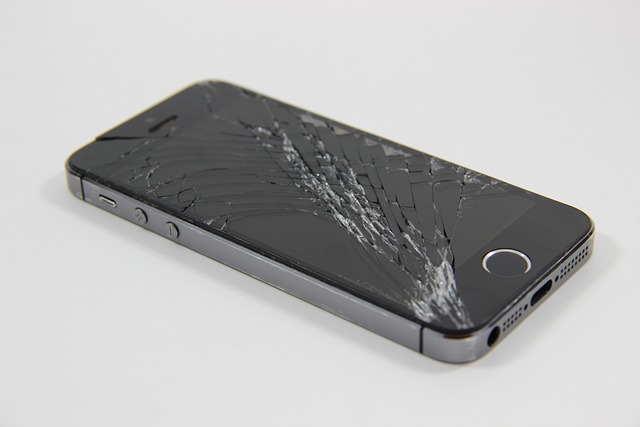
When dealing with a damaged vehicle title, whether due to wear and tear or some unforeseen circumstance, it’s crucial to navigate the process with assistance from reliable experts. Identifying trustworthy resources for damaged title replacement is an essential step in ensuring a smooth transition. Many individuals often find themselves in a predicament where they need help obtaining a duplicate car title, especially if their original title has been lost. In such cases, visiting a DMV office in person remains one of the primary methods to initiate the replacement process.
The process of acquiring a duplicate title involves several steps and can vary slightly depending on your location. Typically, you’ll need to fill out specific forms, provide proof of ownership, and potentially pay a fee. It’s during this journey that the expertise of professionals like those at Quick Auto Tags becomes invaluable. They offer swift duplicate title services, ensuring you get back on the road promptly. According to recent data, timely assistance in such matters can significantly reduce the overall inconvenience and stress associated with losing important documentation.
Reliable experts not only guide you through the administrative tasks but also provide crucial insights into local regulations regarding damaged titles. This personalized approach is key to avoiding potential pitfalls. For instance, some states may have specific requirements for title replacement, including additional forms or supporting documents. Engaging with seasoned professionals who can offer tailored advice ensures compliance and a faster turnaround time. When considering your options, remember that not all services are created equal, and choosing the right support network is as important as the process itself.
Legal Considerations: Navigating State Regulations

Navigating state regulations is a crucial step when dealing with damaged vehicle titles. Each U.S. state has its own set of laws governing title replacement processes, particularly for vehicles with history of damage or accidents. Understanding these nuances is essential to ensure compliance and streamline the process for both owners and experts providing damaged title replacement services naturally.
One common scenario involves lost title bonds. If you’ve lost your vehicle’s title, it’s crucial to know that obtaining a duplicate requires specific documentation and adherence to state guidelines. For instance, some states mandate proof of ownership through registration records or previous title documents. Others may require an affidavit from the last registered owner, detailing the circumstances of the title loss. In these cases, engaging the services of a reputable expert like Quick Auto Tags can facilitate the duplicate car title request process, ensuring you meet all legal requirements accurately and efficiently.
Vehicle owner information plays a pivotal role throughout this process. It’s critical to have accurate and up-to-date details on hand when initiating a damaged title replacement. This includes proof of identity, residency, and ownership history. Inaccurate or incomplete information can lead to delays or even rejection of your application. For instance, a discrepancy in vehicle identification number (VIN) or owner name might trip up the process, highlighting the importance of meticulous record-keeping from the outset.
Practical advice for navigating these legal considerations involves keeping comprehensive records and seeking guidance when needed. Consult with local motor vehicle departments to understand specific requirements unique to your state. Additionally, leveraging resources offered by industry experts like Quick Auto Tags can be invaluable. They provide not only a straightforward duplicate car title process but also ensure that all documentation is in order, minimizing the risk of delays or legal complications. This proactive approach allows owners to focus on rebuilding their vehicles rather than navigating bureaucratic hurdles.
Efficient Processes for Obtaining a New Title

Damaged vehicle titles can be a significant hurdle for car owners. However, efficient processes exist to obtain a new title, even in cases where the original is lost or damaged. Quick and easy replacement title services are now available that streamline the process, eliminating the hassle and stress often associated with traditional methods.
One of the most common scenarios involves losing a car title or registration card. In such instances, it’s crucial to act promptly. Many states require specific documentation and fees for lost car title replacements. For instance, in many areas, you’ll need to complete an application form, provide proof of identity and vehicle ownership, and pay a replacement fee. Once submitted, the Department of Motor Vehicles (DMV) or relevant authority will process your request, typically issuing a new title within a few weeks.
Professional services like Quick Auto Tags offer DMV duplicate title services that simplify this process even further. Their expertise lies in navigating the paperwork and ensuring compliance with local regulations. By leveraging their knowledge, owners can save valuable time and avoid potential errors. Data indicates that many lost registration card replacement or damaged title cases can be resolved within one to three business days when utilizing specialized assistance.
When encountering a damaged title, don’t let it become an obstacle on your path to ownership. Leverage the available resources and expertise to secure a new title quickly and effortlessly. Remember, efficient processes for obtaining a new title not only restore your legal right to drive but also allow you to focus on enjoying your vehicle once again.
Damage Assessment and Damaged Title Replacement

When dealing with damaged vehicle titles, accurate damage assessment is crucial before considering any replacement options. It’s essential to understand the extent of the damage to ensure a proper course of action. Visual inspection alone may not suffice; a detailed evaluation by professionals is often required. Many states now offer digital imaging services for title and registration records, which can aid in identifying specific types of damage.
Damaged title replacement is a straightforward process but varies across jurisdictions. Traditionally, vehicle owners would need to visit their local DMV office in person with the damaged title and necessary documentation. However, many regions have implemented mail-in options, allowing for a more convenient experience. For instance, some states permit owners to submit applications by mail, including copies of valid identification and proof of insurance, along with the damaged title. This approach streamlines the process but necessitates careful preparation to avoid delays.
One key aspect to remember is that each state’s Department of Motor Vehicles (DMV) may have specific requirements for damaged title replacement. For example, some states mandate a clean bill of health from an authorized mechanic before issuing a new title. Others might require additional forms or documentation, such as police reports in cases where the damage was caused by an accident. It’s vital to check with your local DMV office for precise guidelines and ensure you have all the necessary information ready.
Consider Quick Auto Tags, a service designed to assist vehicle owners in navigating these procedures. They offer expertise in damaged title replacement, guiding clients through the process efficiently. By leveraging their knowledge of local regulations, they can ensure a smoother transition, especially when dealing with complex cases. For instance, they may help compile the required documents, including gathering vehicle owner information from various sources, to expedite the DMV process.
By delving into the intricate world of damaged vehicle titles, this article has illuminated critical aspects of damaged title replacement. Key takeaways include the importance of local experts in navigating state regulations and streamlining the process. Understanding that each state has its own rules is paramount for a successful and legal damaged title replacement. Reliable resources identified in the article serve as valuable guides, ensuring consumers access legitimate assistance. Furthermore, proper damage assessment is fundamental to determining feasibility and cost, making it an essential step before proceeding with a replacement. Armed with this knowledge, readers are now equipped to make informed decisions, fostering confidence in managing damaged vehicle titles efficiently and within legal frameworks.


