
Auto restoration involves revitalizing classic vehicles with craftsmanship, historical knowledge, and rare parts access. Restoration scopes vary from minor fixes to full reconstructions. Key challenges include damaged title replacement for vehicles with accident histories or lost/stolen titles, which services like Quick Auto Tags in California assist with. Restorers use techniques like body repairs, painting, and engine rebuilding, prioritizing historical accuracy with period-correct parts. Regulatory compliance is crucial, understanding specific registration and title transfer guidelines to prevent delays. Damaged title scenarios demand prompt action, as states offer procedures for lost registration or duplicate titles through DMVs. Quality assurance in restoration includes meticulous detail work and damaged title replacement services to ensure legal status security and customer satisfaction.
In the world of automotive conservation, the meticulous restoration of classic and vintage vehicles is an art form that demands expert precision. As these timeless machines age, they often face challenges that require specialized care to restore their former glory. Damaged titles, in particular, pose a significant hurdle for both owners and restorers, impacting value and authenticity. This article delves into the importance of professional auto restoration services, offering comprehensive solutions for damaged title replacement and beyond. With expert knowledge and meticulous attention to detail, these services ensure that each vehicle not only rolls off the line but also tells a story of exceptional craftsmanship.
- Understanding Auto Restoration: The Basics
- Assessing Damaged Vehicles: Step-by-Step Guide
- Expert Techniques for Panel Replacement
- Restoring Interior: From Repair to Refinish
- Final Touches: Quality Assurance & Customer Satisfaction
Understanding Auto Restoration: The Basics

Understanding Auto Restoration: The Basics
Auto restoration is an art form dedicated to returning vintage or classic vehicles to their former glory, accurately reflecting their original design and aesthetic. It involves meticulous craftsmanship, a deep understanding of automotive history, and access to rare parts. The process begins with an assessment of the vehicle’s condition, which can range from minor cosmetic issues to severe damage requiring complete reconstruction. One common challenge in this field is damaged title replacement—a necessary step for vehicles that have been involved in accidents or had their titles lost or stolen. In California, for instance, individuals facing a lost DMV title can navigate this hurdle through dedicated services like Quick Auto Tags, which offers lost DMV title recovery, ensuring a hassle-free transition to legal ownership.
Restoration experts employ a variety of techniques tailored to each car’s unique needs. This may include body repairs, where damaged panels are replaced or patched, painting to match the original color specifications, and meticulous trim restoration. Engine rebuilding is another critical aspect, requiring skilled technicians to disassemble, repair, or replace components to ensure optimal performance. The process isn’t merely about physical repairs; it also encompasses historical accuracy. Restorers may seek out period-correct parts, use authentic materials, and even consult original manufacturer specifications to create a genuine, time-traveling driving experience.
For those considering auto restoration, understanding the regulatory landscape is essential. In many regions, including California, specific requirements for registration and title transfer exist, especially when dealing with vintage vehicles. For instance, DMV lost plate replacement procedures can vary, but typically involve providing proof of ownership and relevant documentation in person at the local DMV office. A key piece of advice for prospective restorers is to consult state-specific guidelines early on to avoid unforeseen delays during the restoration process or when reselling the vehicle.
Assessing Damaged Vehicles: Step-by-Step Guide

When a vehicle is damaged—whether from an accident, weather events, or general wear and tear—the process of restoration can seem daunting. Assessing a damaged vehicle involves meticulous examination to determine the extent of repairs needed. This step-by-step guide provides a framework for professionals and enthusiasts alike to navigate this critical phase.
Step 1: Conduct a Comprehensive Visual Inspection Begin by examining the car from top to bottom, inside and out. Look for dents, cracks, rust spots, or any signs of structural damage. Check all exterior panels, windows, headlights, and body components for integrity. Similarly, inspect the interior, including dashboards, seats, flooring, and electrical systems. Document every observation with high-quality photographs—this becomes crucial during the insurance claim process and damaged title replacement.
Step 2: Assess Functionality and Mechanicals Once the visual assessment is complete, it’s time to test the vehicle’s essential systems. Check the engine for leaks or damage, ensuring all components are in working order. Verify that transmission, brakes, steering, and suspension operate smoothly without unusual noises or vibrations. Test lights, wipers, and other electrical systems, replacing any faulty parts as needed. For vehicles with complex electronic systems, consult specialized diagnostic tools to identify issues.
Step 3: Determine Repairs and Cost Estimation Based on your findings, create a detailed list of required repairs, prioritizing them by urgency and impact on safety. Obtain quotes from reputable auto body shops for each repair, ensuring transparency in pricing. For minor repairs, DIY enthusiasts might consider fixing them themselves, but complex tasks are best left to professionals. In some cases, such as lost vehicle registration card replacement or damaged title situations, seek guidance from experts like Quick Auto Tags who specialize in navigating Department of Motor Vehicles (DMV) procedures by mail. This is especially important if the car needs to be resold with a clean title after repairs.
Step 4: Document and Proceed After gathering all necessary information, compile comprehensive records, including photos, repair estimates, and communication with insurance providers or DMVs for lost registration card replacement or damaged title help. These documents ensure a smooth restoration process and provide a clear historical record of the vehicle’s condition.
Expert Techniques for Panel Replacement
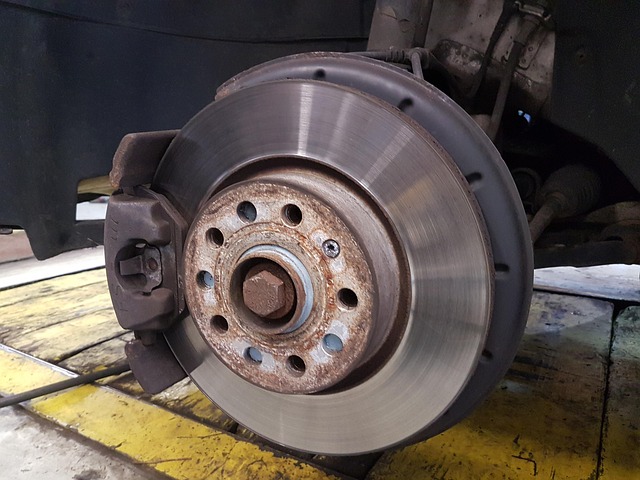
When restoring a vehicle, especially after an accident or significant damage, expert techniques for panel replacement are paramount to ensuring structural integrity and cosmetic excellence. The process demands meticulous precision and a deep understanding of automotive manufacturing methods. Every detail, from measuring and cutting to fitting and sealing, influences the final result.
One of the critical aspects of panel replacement is handling damaged title scenarios. In cases where the original title is missing or compromised, acquiring a duplicate title becomes essential for legal ownership and registration. Many states, like California, offer procedures for obtaining a lost registration card replacement or ordering a duplicate title through the DMV. The process typically involves providing proof of identity, vehicle identification number (VIN), and previous owner information.
For instance, when a plate is lost along with the title, Quick Auto Tags in California can facilitate swift solutions. Their expertise lies in navigating these bureaucratic processes efficiently, ensuring customers receive their quick duplicate title services without undue delays. Data suggests that prompt action—within 30 days of discovering a missing title or plate—can simplify the replacement process significantly, avoiding potential legal complications.
In complex cases, where panel replacement intersects with title issues, engaging professionals who specialize in both is crucial. These experts can guide through every step, from lost registration card replacement to DMV interactions for damaged title resolution, ultimately ensuring your restored vehicle is legally compliant and ready for the road.
Restoring Interior: From Repair to Refinish

The interior of a vehicle is more than just aesthetics; it’s an integral part of the driving experience, affecting comfort, visibility, and safety. Restoring an auto’s interior involves meticulous care and precision to revive its former glory. This process begins with assessing damage, which can range from worn-out upholstery to compromised structural integrity due to accidents or neglect. One common challenge many vehicle owners face is damaged title replacement, especially when a lost DMV renewal notice in California complicates matters. In such scenarios, authorized business partners like Quick Auto Tags offer assistance with Lost Pink Slip Replacement made easy, streamlining the process through the proper channels including the REG 227 form.
Restoring an auto’s interior requires a multi-step approach. First, damaged components are identified and removed for repair or replacement. This could involve disassembling panels, seats, and dashboards to access hidden areas affected by water damage, mold, or wear and tear. After deconstruction, the cleaning process begins, which may include shampooing carpets, stripping old adhesives, and disinfecting surfaces to eliminate odors and prevent further deterioration. Once cleaned, damaged parts are either repaired using specialized tools and techniques or replaced with genuine OEM (Original Equipment Manufacturer) components for guaranteed compatibility and performance.
For intricate detailing, professional restorers employ advanced technologies and products. For example, modern upholstery restoration techniques can revive worn-out seats using ultrasonic cleaning and specialized dyes to match the vehicle’s original color specifications. In some cases, particularly severe damage may necessitate custom fabrication of parts, requiring skilled artisans to create replacements from scratch using materials like leather, fabric, and metal. This level of craftsmanship ensures that the restored interior not only looks but also feels as though it were part of the vehicle from the factory.
Moreover, modern auto restorers emphasize the importance of protecting against future damage. This involves applying protective coatings, sealing finishes, and installing advanced interior protection systems like waterproof linings and stain-resistant fabrics. By combining traditional craftsmanship with innovative solutions, professional auto restoration services deliver not just a restored vehicle but also enhanced value and longevity.
Final Touches: Quality Assurance & Customer Satisfaction

When it comes to professional auto restoration, the final touches are what truly elevate a vehicle from good to exceptional. Quality assurance and customer satisfaction go hand in hand; every detail must be meticulously attended to ensure the final product meets or exceeds expectations. One of the critical aspects often overlooked is the replacement process for damaged title documents, such as the vehicle registration card or “pink slip.” This seemingly mundane task can significantly impact a customer’s experience and the overall success of the restoration project.
For instance, consider a classic car that has undergone an extensive restoration but lacks a valid registration due to a damaged or missing title. Without a replacement title, the legal ownership transfer process becomes cumbersome, if not impossible. This is where professional auto restoration services excel by offering comprehensive solutions. A reputable company should provide seamless lost pink slip replacement services as part of their post-restoration support. Quick Auto Tags, for example, has streamlined this process, making it quick and easy for customers to obtain a replacement title in just one simple step. This level of convenience ensures that clients can return to the road with confidence, knowing their vehicle’s legal status is secure.
The process itself involves careful documentation, verification, and communication. Restoration experts should guide customers through each step, ensuring all required forms are accurately completed. In many cases, these professionals have experience navigating complex administrative procedures, making them invaluable assets. By offering replacement title services, especially for lost vehicle registration card situations, they provide a vital safety net, preventing potential legal issues and ensuring customer satisfaction long after the restoration is complete. This commitment to quality assurance not only builds trust but also reinforces the reputation of the restoration company as a whole.
By delving into the comprehensive guide on professional auto restoration services, readers have gained invaluable insights into navigating the intricate process of restoring damaged vehicles. From understanding the basics of auto restoration to mastering expert techniques for panel replacement and interior refinish, this article has equipped them with a robust toolkit. Assessing damaged title replacement is now a clear and manageable task, thanks to the step-by-step guide provided. The final touches section emphasizes the importance of quality assurance and customer satisfaction, ensuring that every vehicle leaves the workshop in impeccable condition. With these key learnings, readers are now prepared to confidently embark on their auto restoration journey, revolutionizing the way they approach damaged vehicles.


